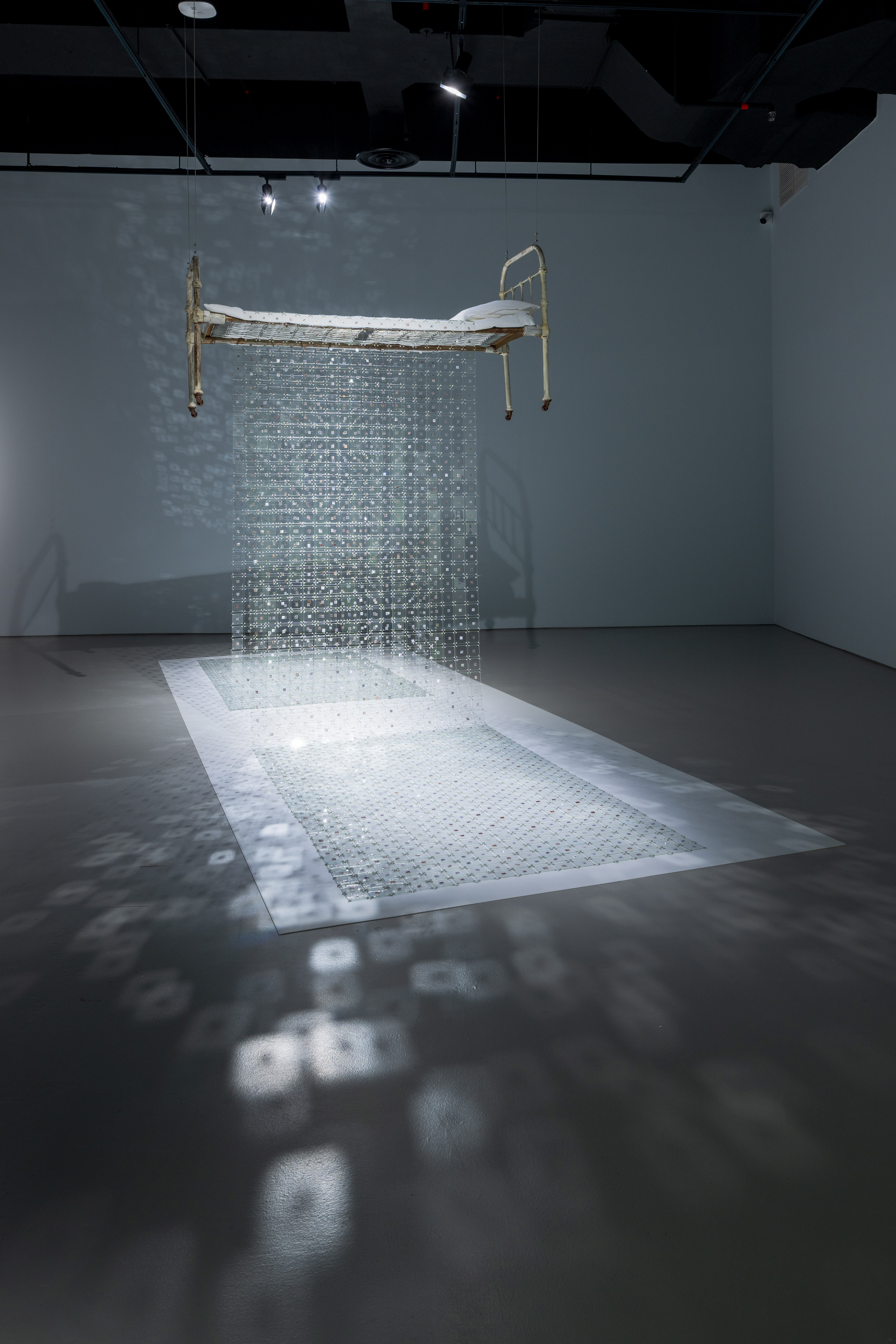
Unfurling beneath an open skylight in an 18th century vault of the La Cabaña (Cabania Fortress) twenty-eight years ago, Third World Extra Virgin Dreams’ first showing at the 6th Havana Biennale (1997) was also marked by other firsts: its curation into the Biennale’s first dedicated Asian Section, the very first time lenses were used by Suzann Victor to disperse light from a single bulb in the embargoed context of Cuba, while closer to home, it is the first time this iconic work is seen outside Latin America in almost three decades, having been released from the conservation vaults of the Singapore Art Museum to be shared with the public for Talking Objects – a show held at the Collection Gallery that “considers how familiar things become carriers of meaning”.
Artist Statement
Unfurling beneath an open skylight in an 18th century vault of the La Cabaña (Cabania Fortress) twenty-eight years ago, Third World Extra Virgin Dreams’ first showing at the 6th Havana Biennale (1997) was also marked by other firsts: its curation into the Biennale’s first dedicated Asian Section, the very first time lenses were used by Suzann Victor to disperse light from a single bulb in the embargoed context of Cuba, while closer to home, it is the first time this iconic work is seen outside Latin America in almost three decades, having been released from the conservation vaults of the Singapore Art Museum to be shared with the public for Talking Objects – a show held at the Collection Gallery that “considers how familiar things become carriers of meaning”.
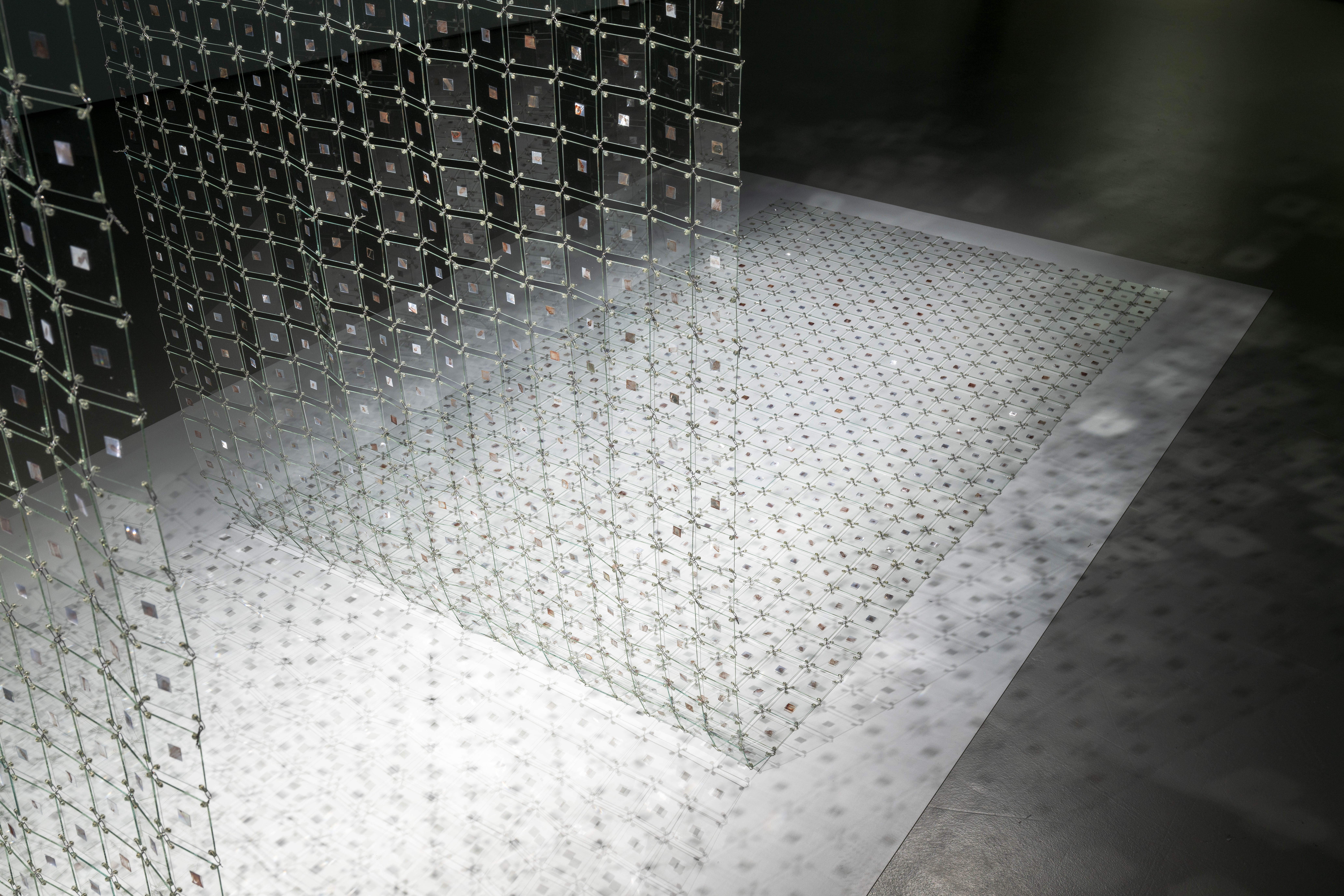
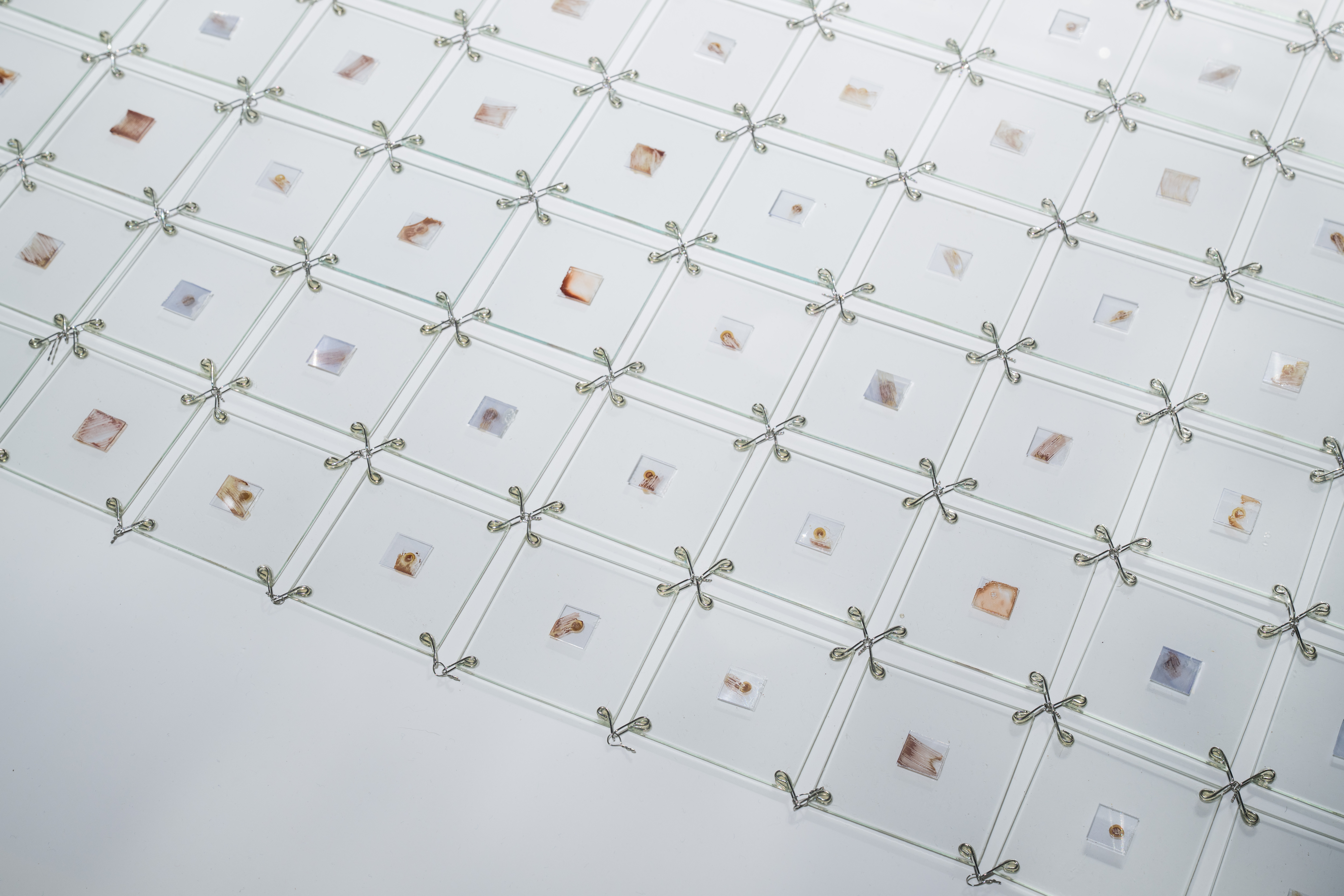
Operating in the surrealistic grammar of sleepless dreaming, a ten-metre glass-lens quilt descends from an ascending metal bed. ‘Caught in mid-air,’ yet cascading symmetrically onto the floor, the transparency of the quilt exuded an ambiguity that produced an exquisite tension, enabling the work to hover between the states of appearance and disappearance, visibility and invisibility, transparency and opacity, and fragility and strength.
Staged in an impregnable architecture haunted with a colonial past in 1997, it is now displayed in a warehouse repurposed for art in postcolonial Singapore in 2025.
- - -
I used an object that is permanently imprinted with the human form - the bed - a site of both beginnings and endings, birthing and death, sex and sleep. Solid and physical, yet vulnerable and abstract, it is also a place/space of rest and restlessness, sleep and sleeplessness, dreams and nightmares.
Our sentient bodies imprint the bed with the corporeality that mark bodily events, imbuing its surface and depth with bodily ‘confessions’ - the seepages emanating from our interiority - a silent witness to the body’s performance of desire and woundability.
As a young Chinese girl, the patchwork quilt, made out of discarded pieces of fabric, existed as a sign of abjectness, poverty, frugality, and most of all, female labour – the origins of creative recycling, crafting, sharing, learning and bonding, while also a precursor that was decades ahead of the “greening” trends of today.
My response, however, was to monumentalise the patchwork quilt, without compromising its quality of fragility. Instead of remnant pieces of fabric, I produced a ten-metre glass-lens quilt with friends in Sydney.
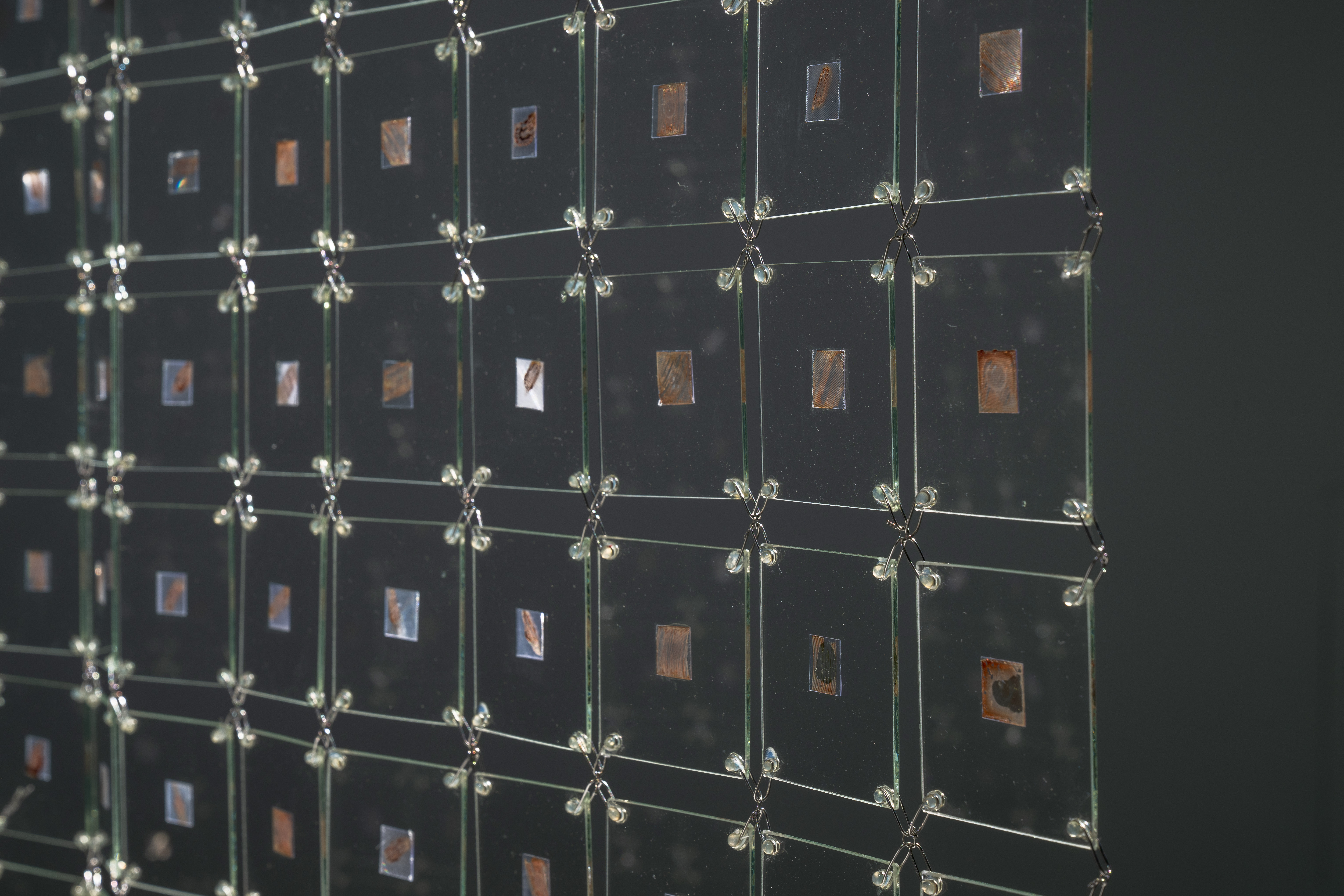
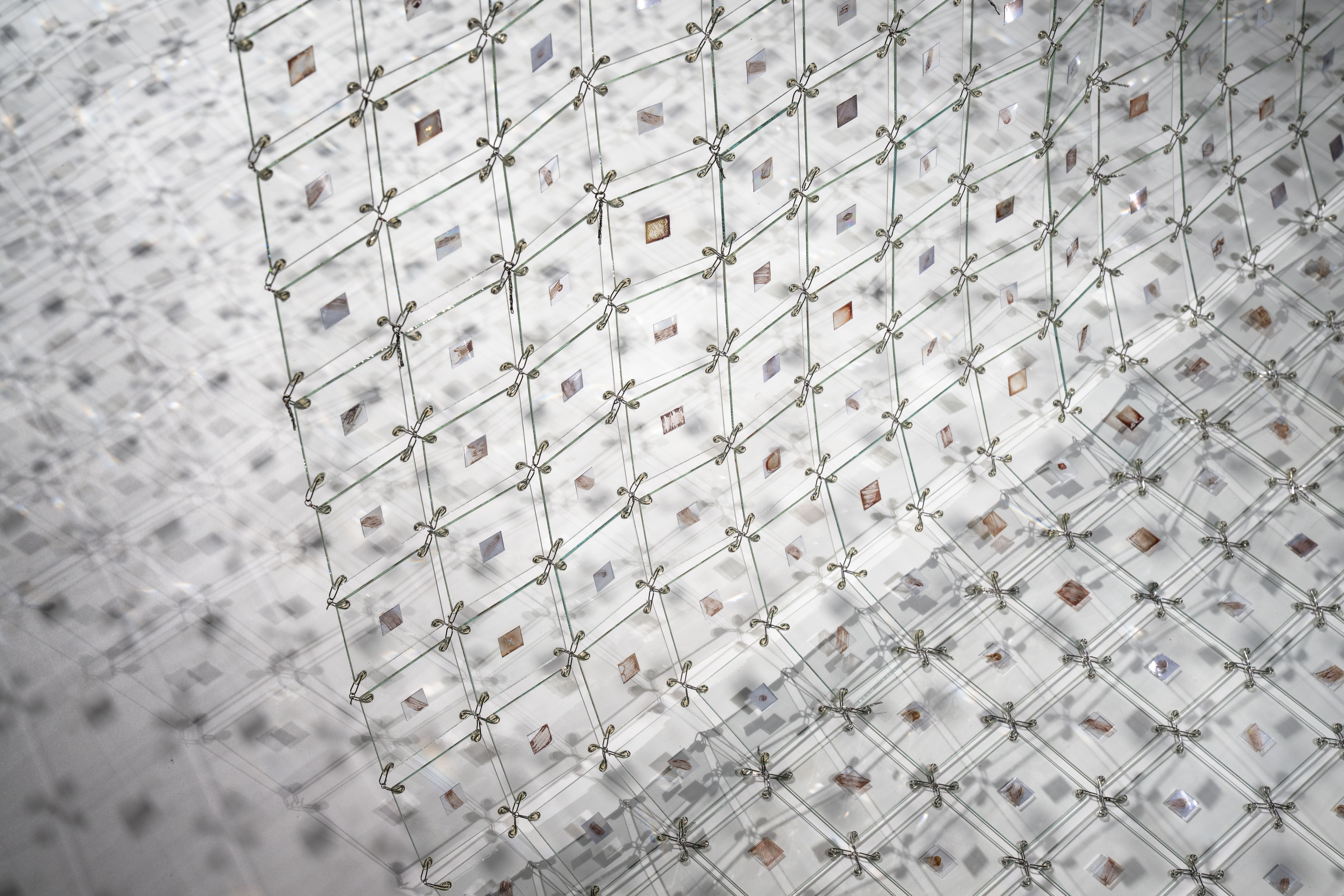
During its installation in Havana in 1997, I embarked on an exchange of political and social memory with the Cuban family that chose to house me. Victor Miguel, their chosen representative, donated his blood, which together with mine, was mixed and used in the work. Sealed between each of the three thousand pairs of glass and Fresnel lens is a single drop of our blood, spreading out like calligraphic brush strokes as directed by the grooves engraved in the underside of the lenses. The current presentation contains blood droplets of multiple donors.
Third World Extra Virgin Dreams can also be envisioned as an imaginary collection of hymenal fluid where each drop of blood appears to have a quality of anonymous subjectivity trapped between glass slide and lens. The scientific manner in which the blood appears to have been collected and displayed creates an appearance of objective observation, as if each child/woman, signified by a single glass slide, has been reduced to her utmost value – commodified in the Third World as a single drop of virginal blood, the essence of desirability / use value in the practice of hymenal nationalism (the exploitation of young girls prevalent in some Asian economies).
Given the extended US embargo imposed upon Cuba, the regime itself was produced relationally as the abject other, expelled from membership of a sphere of influence in the capitalist world that chose to view it as a threat. One of the challenges of working in Havana was the scarcity of basic resources, but this has turned out to serve as an unflinching testimony to the resilience, creativity and defiance of the Cuban people in staging an event of this scale in the face of electricity and water shortage that I personally witnessed and experienced. Hence, I was compelled to use Fresnel lenses for the first time in 1997 to re-distribute light from a single bulb as well as sunlight from the open skylight into a scintillating presence, causing the quilt to appear to liquefy in a glacial flow from bed to ground.
The vault interior itself became a screen for the shadow of each drop of blood refracted onto the floor, creating a transfixing quality that transformed the reading of the space and its 18th century architecture.